
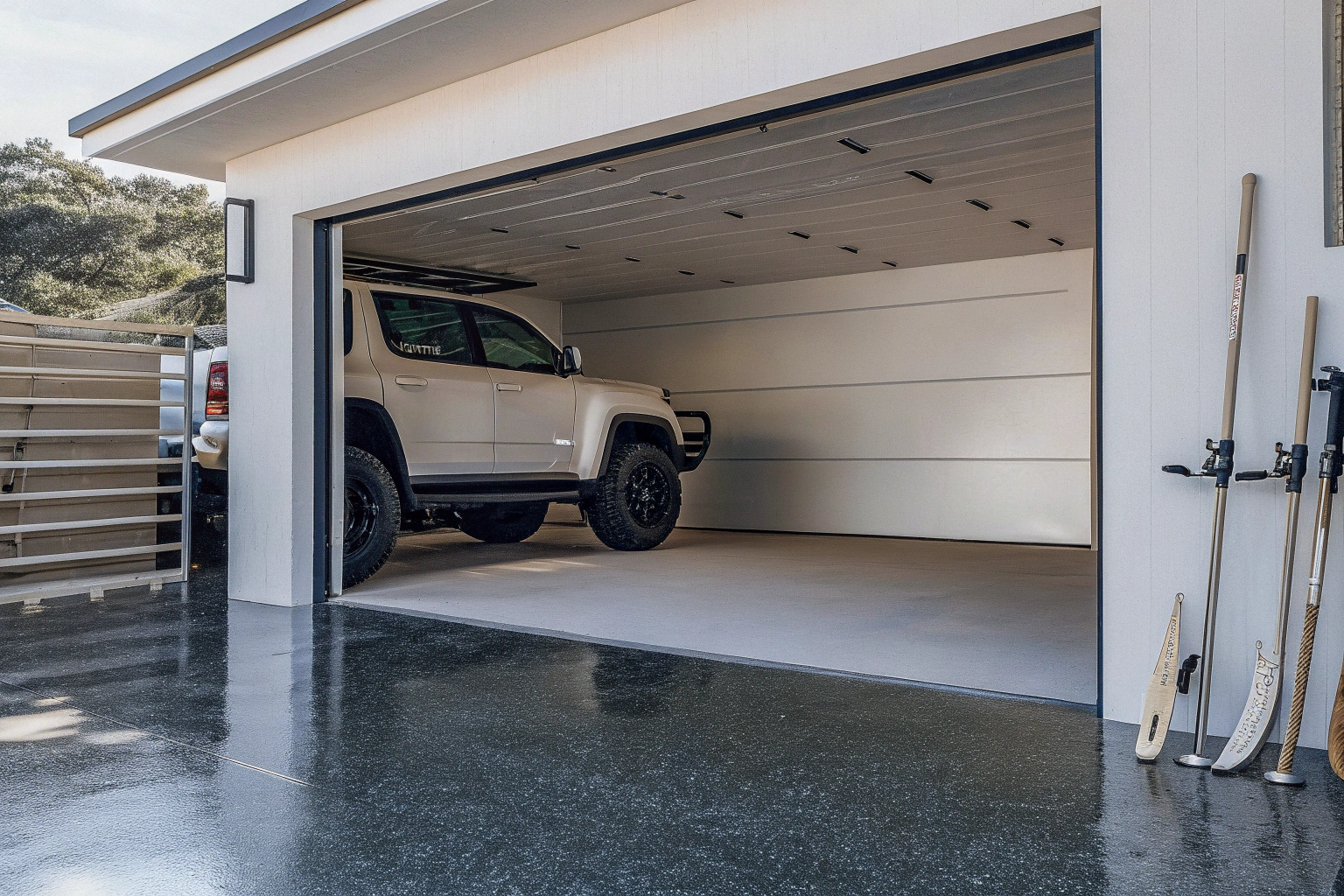
Professional Epoxy Garage Floors Warana – Marine-Grade Protection
Marine-grade epoxy flooring systems differ fundamentally from standard garage coatings sold at hardware stores. These specialised formulations incorporate enhanced resin compounds and UV inhibitors designed to withstand continuous salt air exposure without degrading or yellowing.
Warana’s proximity to the ocean creates unique challenges for garage floors:
- Salt crystallisation within concrete pores causes progressive spalling and surface deterioration
- Moisture vapour transmission from humid coastal air compromisesthe adhesion of inferior coating systems
- UV radiation breaks down standard epoxies, leading to chalking and discolouration within 12-18 months
- Temperature fluctuations between cool ocean breezes and radiant heat cause expansion-contraction cycles
Our marine-grade systems address these factors with flexible, breathable formulations that move with your concrete substrate. The seamless application eliminates joints and seams where salt water accumulates, while chemical-resistant topcoats protect against beach equipment corrosion, fishing gear residue, and vehicle fluids tracked from seaside driving conditions.

Coastal Epoxy Flooring Solutions for Warana Homes
Coastal properties require comprehensive flooring protection extending beyond garage spaces. Our epoxy flooring Warana service covers every exterior and semi-exterior surface vulnerable to salt air degradation. Garage and workshop spaces receive seamless coatings protecting vehicles, tools, and stored beach equipment from corrosive moisture and sand abrasion, while outdoor entertainment areas transform into slip-resistant surfaces handling barefoot traffic after beach visits.
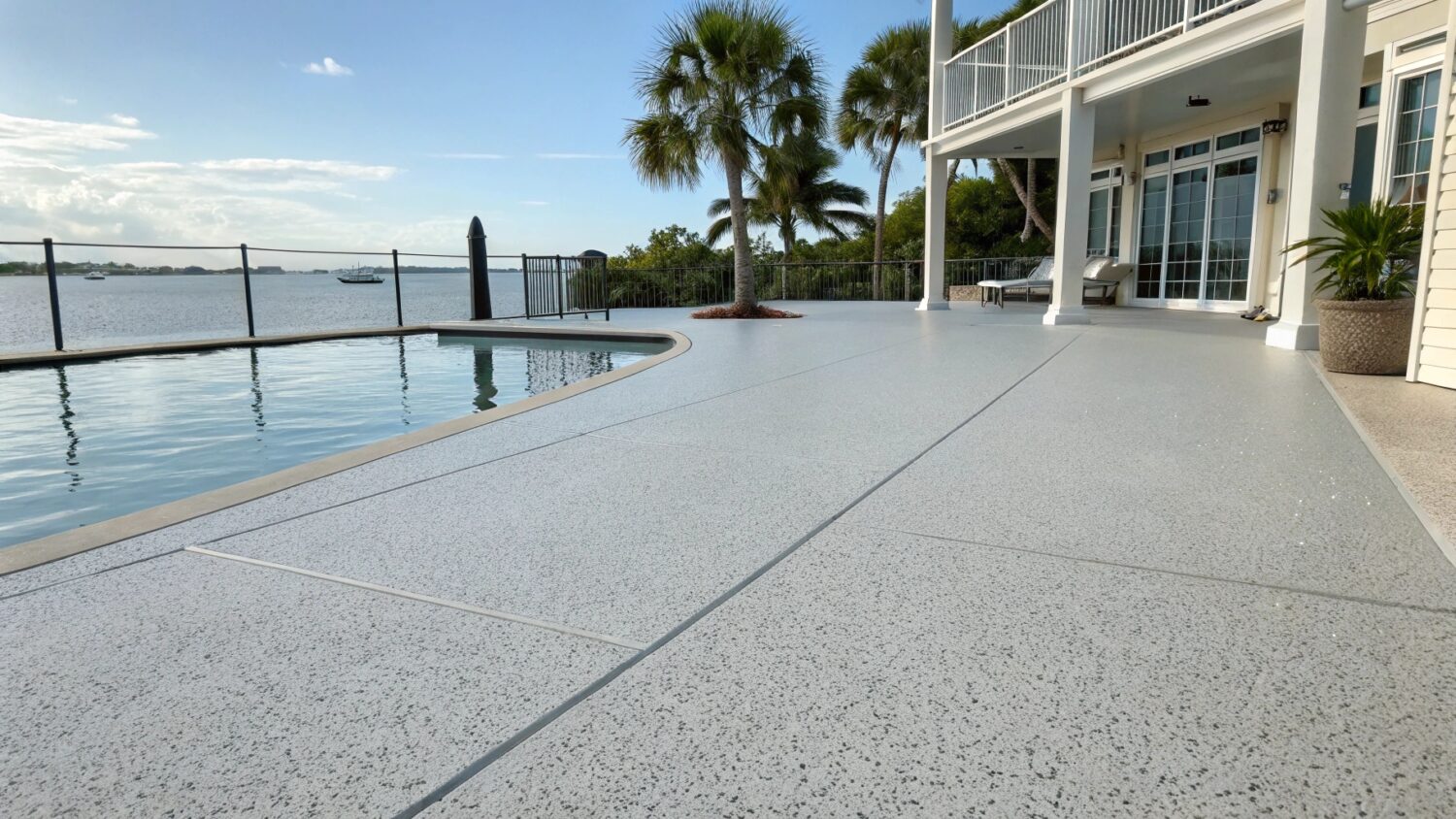
Pool deck surrounds benefit from chemical-resistant finishes managing chlorine exposure, saltwater splashing, and constant UV bombardment without peeling or fading. Laundry and mudroom floors become easy-clean surfaces, handling sandy feet, wet beach towels, and surf gear storage areas that standard concrete cannot withstand.
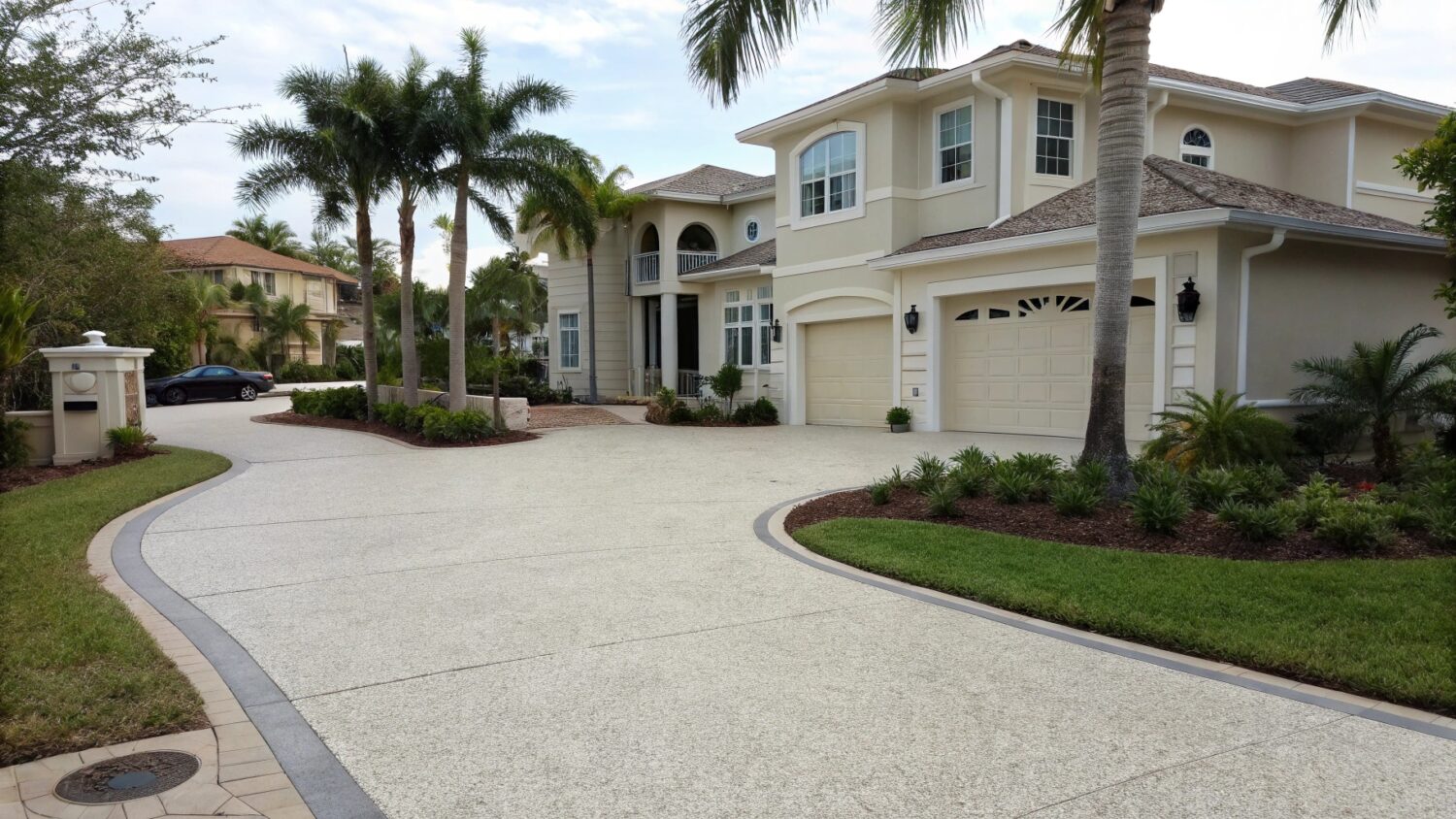
Driveway and carport applications extend protection to vehicle parking areas exposed to direct salt spray and afternoon sun exposure. Each application receivesa marine-grade formulation selection based on specific exposure levels, traffic patterns, and aesthetic preferences matching your coastal lifestyle requirements.
Salt-Resistant Epoxy Flooring
Salt resistance represents the critical performance factor separating marine-grade epoxy systems from conventional garage coatings in coastal environments. Standard epoxy formulations lack the chemical composition necessary to resist salt crystallisation, which occurs when ocean spray evaporates, leaving concentrated sodium chloride deposits that penetrate concrete pores and compromise surface adhesion.
Our salt-resistant epoxy flooring incorporates specialised polymer chains that repel chloride ions while maintaining flexibility under thermal expansion cycles. This formulation prevents the destructive freeze-thaw equivalent that occurs in coastal concrete when salt draws moisture into substrate layers, causing progressive delamination and surface failure. The seamless application eliminates grout lines and joints where saltwater accumulates and accelerates deterioration.
Warana properties within 500 metres of the shoreline experience the highest salt deposition rates, particularly during onshore wind events. Our marine-grade systems maintain structural integrity and aesthetic appearance throughout these exposure cycles, protecting your flooring investment against the relentless coastal environment.
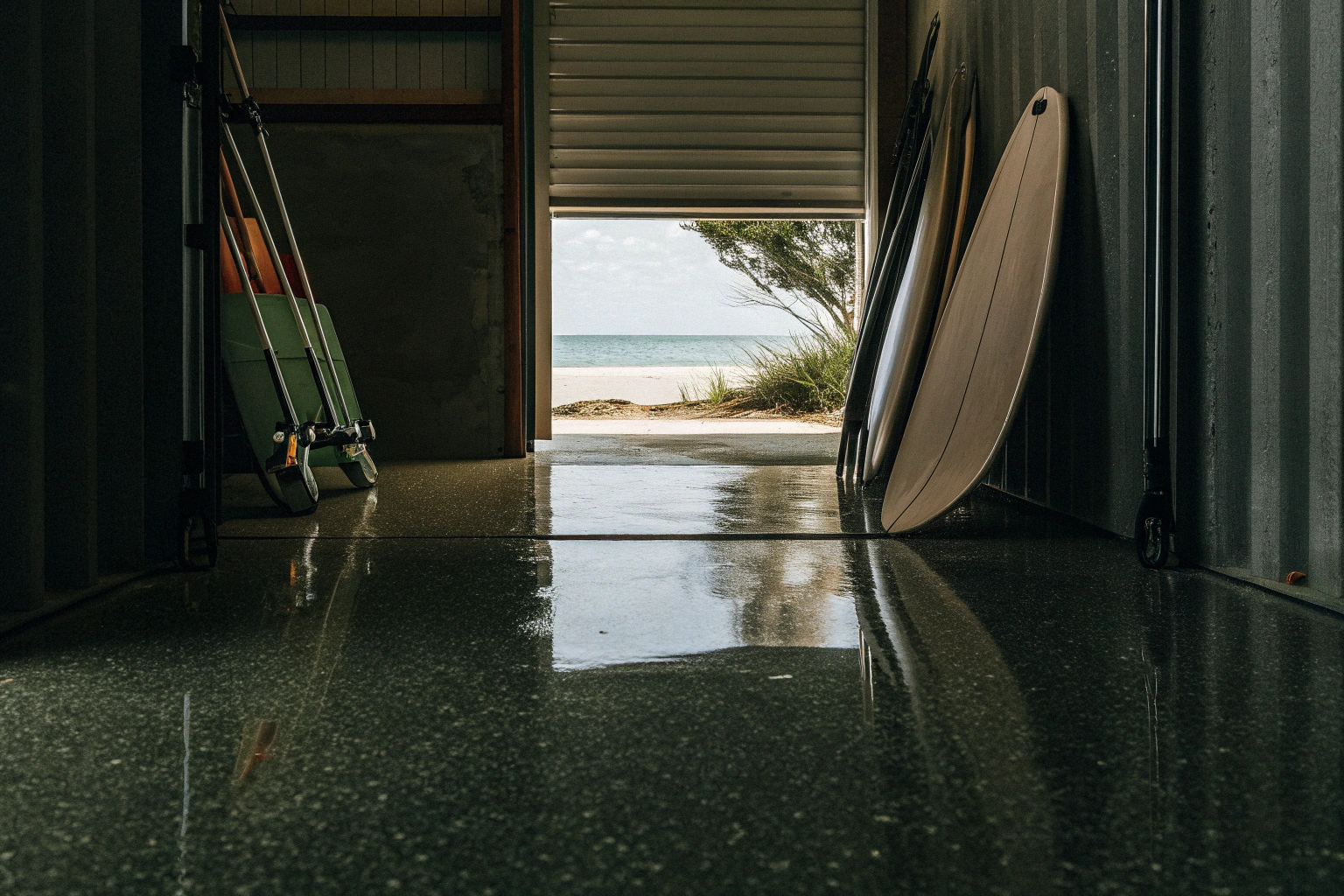
How Salt Air Damages Unprotected Concrete in Warana
Warana’s beachfront location exposes concrete surfaces to continuous salt aerosol deposition carried by prevailing ocean breezes. This invisible corrosive mist settles on garage floors, driveways, and outdoor entertainment areas, initiating a progressive deterioration cycle that accelerates with each storm event and high-tide period.
The salt damage process unfolds through distinct mechanisms:
- Hygroscopic moisture retention – Salt crystals absorb atmospheric humidity, keeping concrete perpetually damp beneath the surface
- Concrete spalling – Expanding salt deposits fracture surface layers, creating crater-like pitting and rough textures
- Steel reinforcement corrosion – Chloride penetration reaches rebar, causing rust expansion and structural cracking
- Surface efflorescence – White crystalline deposits emerge as salt wicks through porous concrete
- Accelerated freeze-thaw equivalent – Salt-laden moisture cycles create expansion-contraction damage similar to cold climate deterioration
Without protective epoxy coating, Warana concrete surfaces typically show visible damage within 3-5 years, requiring costly grinding, patching, or complete replacement rather than simple maintenance.
The Difference Between Standard and Marine-Grade Epoxy Systems
| Standard Epoxy Systems | Marine-Grade Epoxy Systems |
|---|---|
| Basic resin formulations designed for interior applications with minimal moisture exposure. Degrades under UV radiation within 12-18 months, showing yellowing and chalking. Limited salt resistance allows chloride penetration and adhesion failure. Rigid composition cracks under thermal expansion cycles common in coastal environments. | Advanced polymer compounds incorporating UV inhibitors, flexible resin chains, and chloride-resistant additives. Maintains clarity and adhesion through continuous salt air exposure. Breathable formulations accommodate concrete moisture vapour transmission while preventing surface delamination. Engineered specifically for properties within 2km of ocean environments. |
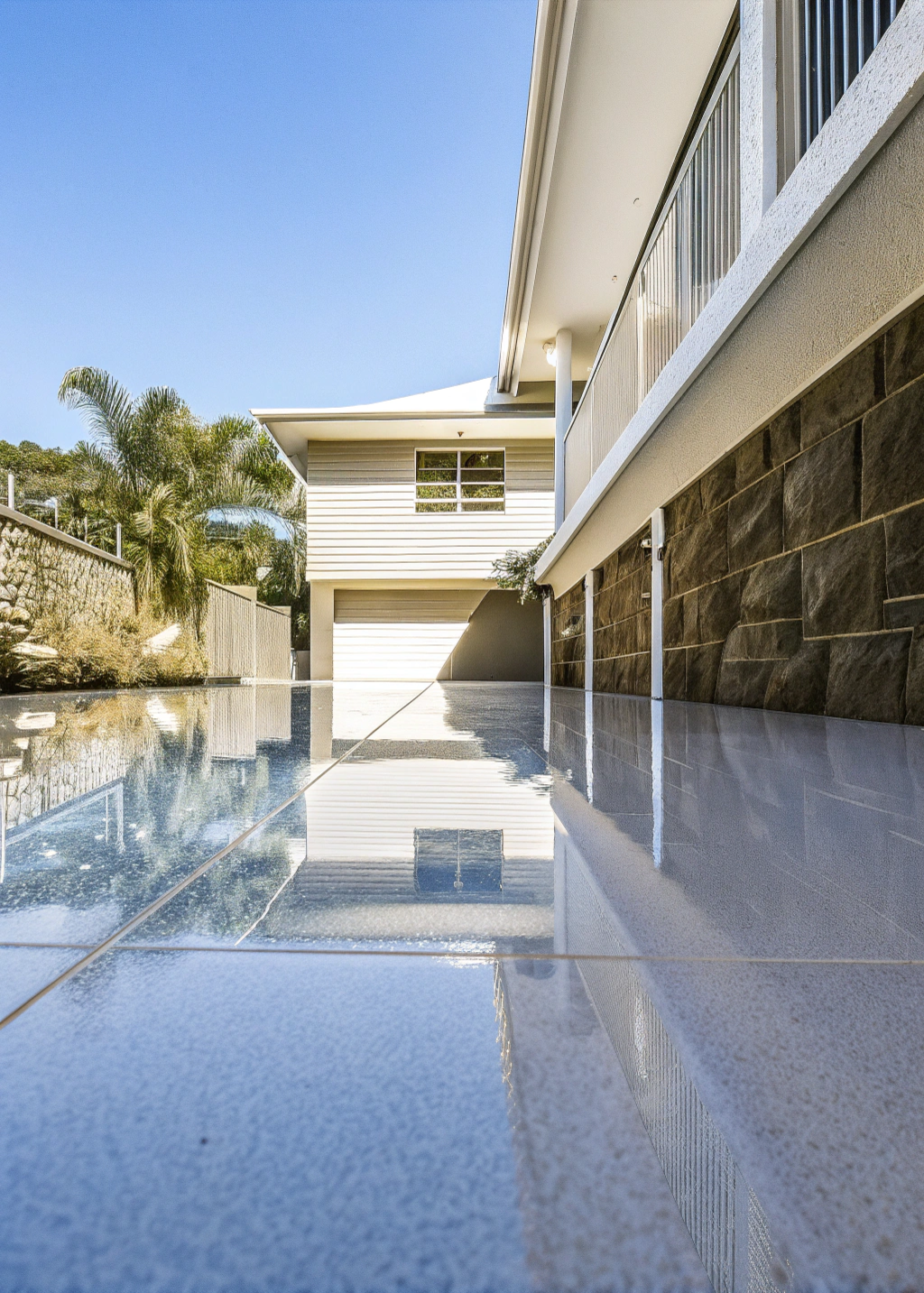
Maintenance Tips for Coastal Epoxy Floors
Marine-grade epoxy flooring requires minimal maintenance compared to unprotected concrete, though coastal environments benefit from simple care routines maximizing longevity and appearance.
Rinse surfaces weekly with fresh water to remove accumulated salt deposits before crystallisation occurs. Beach sand tracked onto epoxy floors acts as an abrasive; sweep or vacuum regularly to prevent surface scratching from foot traffic grinding particles into the coating.
Avoid harsh alkaline cleaners that compromise UV-resistant topcoats. Mild pH-neutral detergents maintain gloss levels without degrading protective layers. For stubborn stains from fishing gear or vehicle fluids, spot-clean immediately rather than allowing prolonged contact.
Inspect expansion joints and perimeter edges annually for salt intrusion. Reapply topcoat layers every 5-7 years in high-exposure areas, maintaining optimal protection against Warana’s aggressive coastal environment.
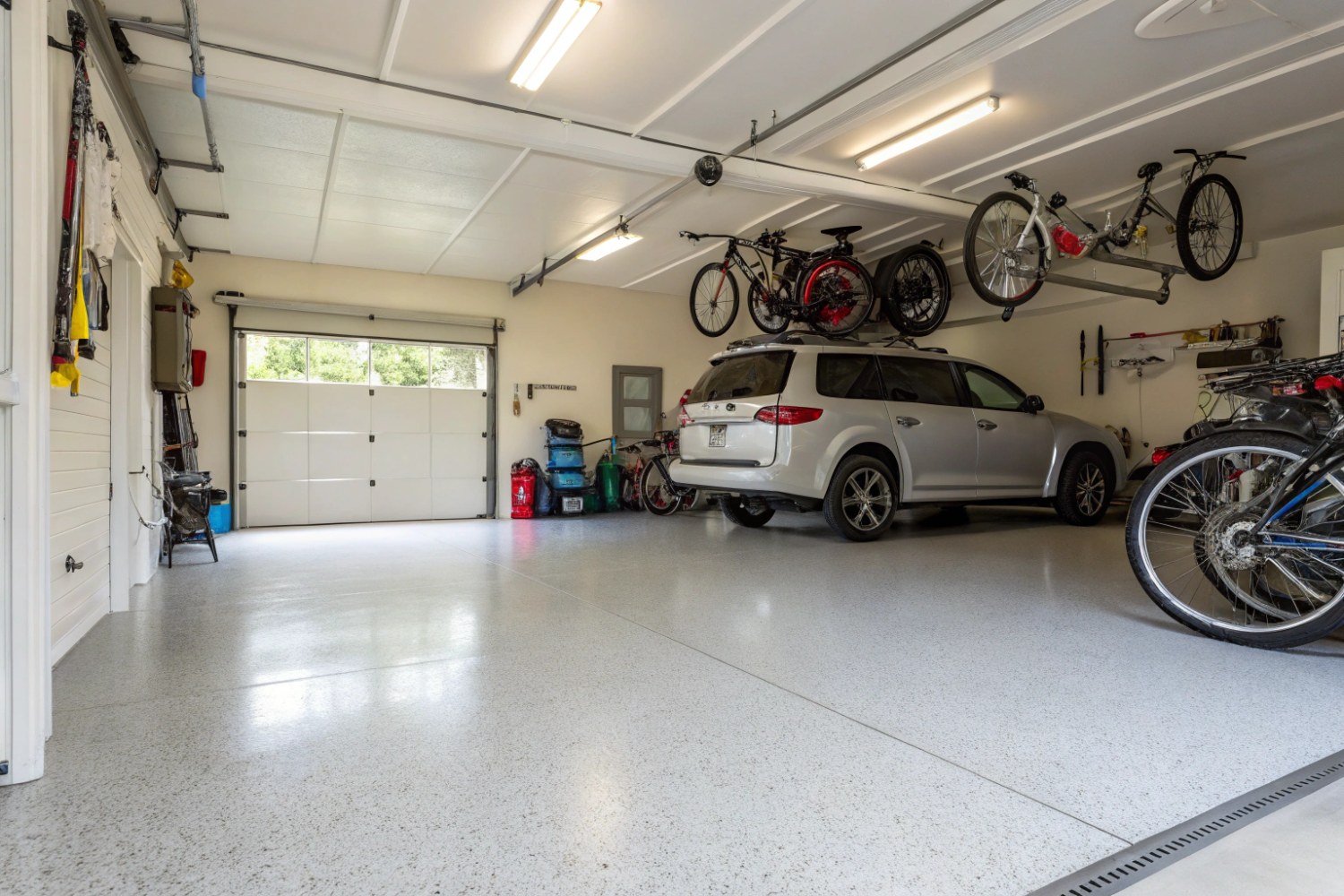

Frequently Asked Questions
Yes, epoxy coatings create hard, scratch-resistant surfaces managing beach sand better than bare concrete. Regular sweeping prevents abrasive accumulation. The seamless finish eliminates grout lines where sand embeds and causes damage over time.
Marine-grade formulations incorporate UV inhibitors and chloride-resistant compounds, preventing yellowing and delamination. Standard epoxies lack these additives and fail rapidly. Proper substrate preparation ensures adhesion survives continuous salt exposure and humidity cycles.
Absolutely. UV-stable epoxy systems handle direct sun exposure, rain, and salt spray on verandahs, patios, and pool surrounds. Slip-resistant additives create safe barefoot surfaces. These areas require specific formulations different from enclosed garage applications for weather durability.
Existing coatings require complete removal before marine-grade epoxy application. Overlay systems fail when old coatings delaminate underneath. Proper substrate exposure ensures new epoxy bonds directly to concrete, critical for salt-resistant performance in coastal environments.
Epoxy seals existing cracks preventing moisture and salt intrusion causing expansion. However, epoxy doesn’t repair structural concrete damage or stop movement from underlying substrate issues. Assessment identifies whether repairs precede coating application for optimal results.
