
Why Eudlo Properties Need Heavy-Duty Epoxy Flooring
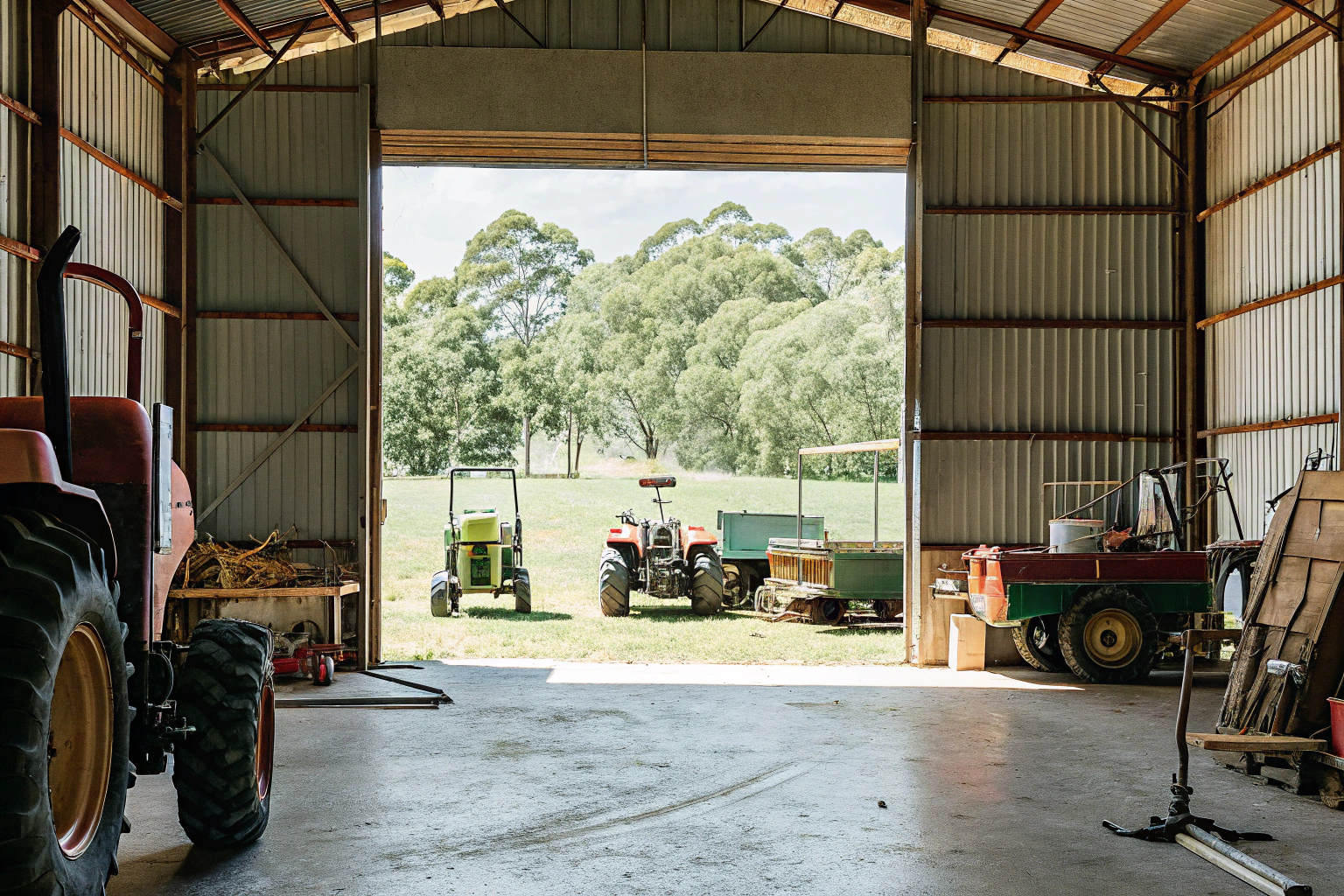
Eudlo properties present flooring demands that exceed standard residential coating capabilities due to the area’s rural character and typical property usage patterns. Acreage lots throughout this hinterland community commonly feature multiple outbuildings serving workshop, storage, and agricultural support functions rather than simple vehicle parking applications.
The combination of larger floor areas, heavier equipment loads, and more intensive chemical exposures creates requirements for industrial-grade coating systems. Properties housing automotive repair equipment, welding operations, or agricultural machinery storage experience concentrated point loads, chemical spills, and thermal stress that compromise residential-grade products within months rather than years.
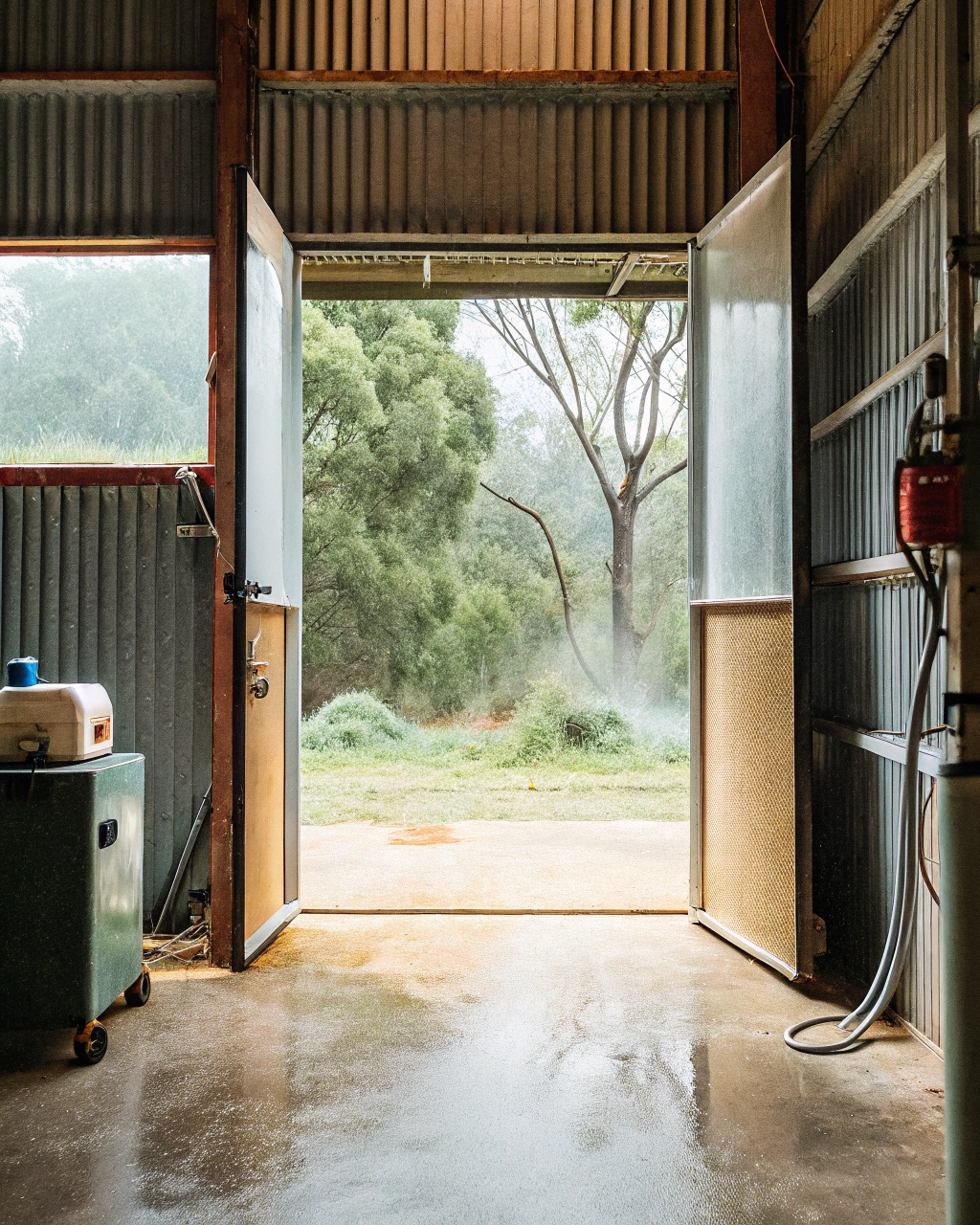
Hinterland environmental conditions compound these operational challenges. Higher rainfall, elevated humidity levels, and temperature fluctuations between seasons accelerate coating degradation on improperly specified systems. Ground moisture transmission through concrete slabs remains more pronounced in rural settings, requiring vapour barrier integration and enhanced substrate preparation protocols.
Heavy-duty epoxy formulations address these combined environmental and operational stressors effectively, whereass standard coatings fail prematurely.

Workshop Epoxy Flooring Solutions for Eudlo Hinterland
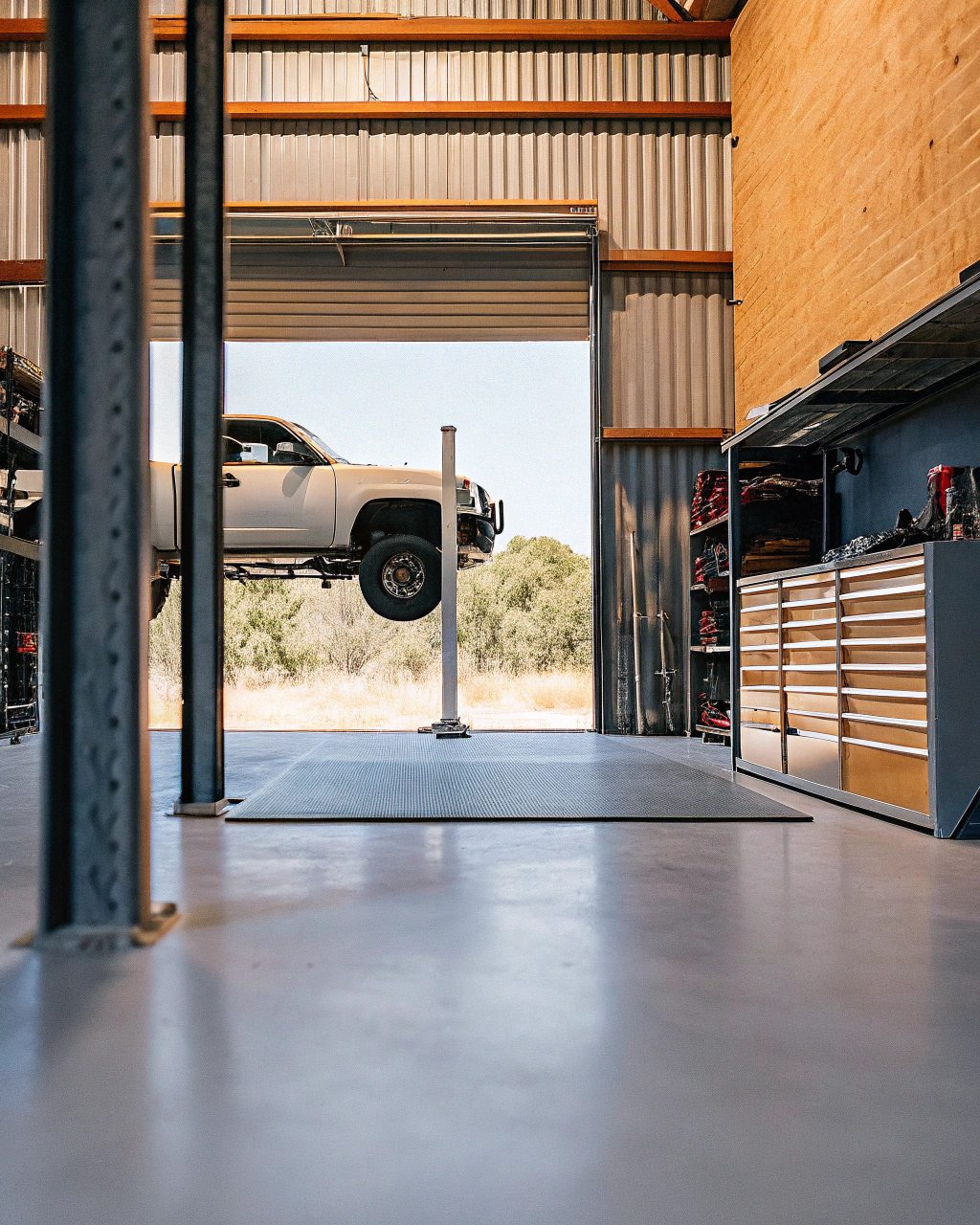
Hinterland workshop spaces in Eudlo range from home-based mechanical workshops to semi-commercial fabrication facilities, each requiring coating systems matched to specific operational demands. The rural character of the area means many properties feature multiple workshop buildings serving different purposes—automotive repair, woodworking, metal fabrication, and equipment maintenance spaces that experience varying levels of chemical exposure and mechanical stress.
Workshop epoxy applications throughout Eudlo typically include:
- Automotive repair facilities managing oil, coolant, brake fluid and transmission fluid exposure
- Welding and fabrication workshops requiring spark-resistant, non-combustible surface protection
- Hobby workshops handling solvent-based products, paint thinners and adhesive compounds
- Equipment maintenance spaces supporting hydraulic fluid, diesel fuel and heavy tool impact
- Multi-purpose trade workshops combining several operational requirements in a single space
Each workshop type demands specific epoxy formulations engineered for the chemical exposures and mechanical loads characteristic of that working environment.
Rural Workshop Applications: Automotive, Welding & Manufacturing
Rural Eudlo properties frequently accommodate trade-based workshop operations that residential-grade floor coatings cannot support. The concentration of acreage properties with purpose-built workshop facilities creates distinct flooring requirements across different trade disciplines.
Automotive workshop applications demand chemical resistance against petroleum products, transmission fluids, and brake cleaners that penetrate standard concrete. Hot tyre pickup resistance prevents surface marking from vehicles entering immediately after road use, while impact resistance handles dropped tools and equipment components.
Welding and metal fabrication spaces require non-combustible surface systems that resist welding spark damage and grinding dust contamination. Chemical resistance extends to cutting fluids, metal treatment solutions, and degreasing compounds used throughout fabrication processes.
Light manufacturing operations operating from rural properties need floors supporting material handling equipment, chemical storage areas, and assembly workstations. These spaces typically combine multiple chemical exposures with moderate to heavy traffic loads throughout production shifts.
Eudlo Semi-Commercial & Acreage Property Flooring
Eudlo’s acreage properties frequently blur the line between residential and commercial use, with many owners operating small businesses, trade services, or agricultural enterprises from home-based facilities. These semi-commercial properties require flooring systems that exceed residential specifications while remaining cost-effective for owner-operators managing capital expenditure.
Typical semi-commercial applications throughout Eudlo include:
- Trade contractor bases storing vehicles, equipment and materials
- Rural business operations, managing customer vehicles or product storage
- Agricultural support facilities housing machinery, implements and chemical storage
- Equipment rental operations maintaining high-turnover vehicle and machinery spaces
- Home-based manufacturing supports light production and assembly work
Acreage property flooring installations typically involve multiple buildings requiring coordinated coating specifications. Workshop areas demand industrial-strength systems, while storage sheds may utilise more economical coating options. Understanding which spaces require premium performance versus adequate protection optimises investment across larger rural properties.
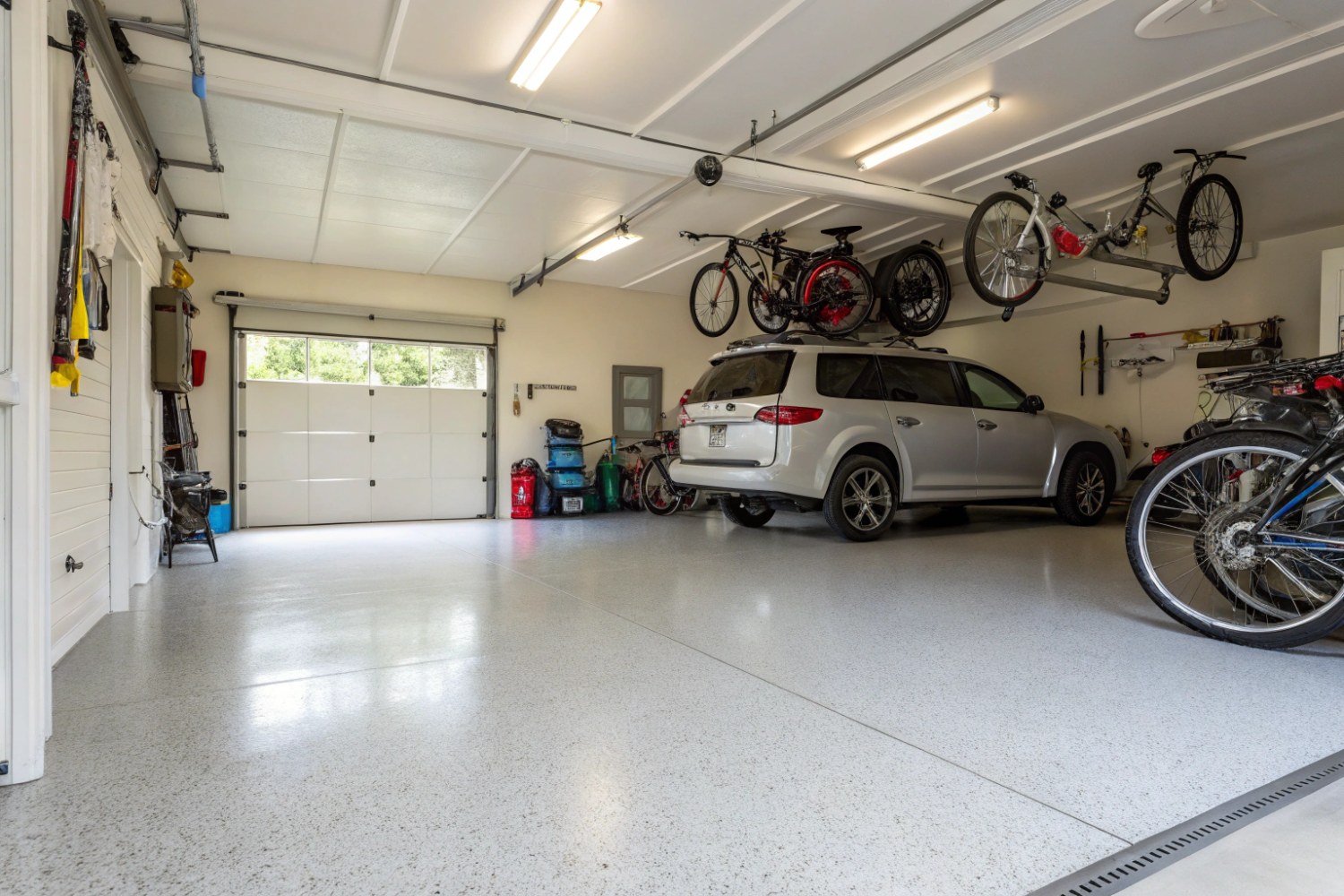
Industrial-Strength Garage Coatings vs. Residential Systems
| Industrial-Strength Garage Coatings | Residential Systems |
|---|---|
| Industrial epoxy systems utilize 100% solids formulations with thickness exceeding 3mm, supporting vehicle lift installations, heavy equipment storage, and continuous chemical exposure. These coatings feature enhanced mechanical bonding, chemical resistance ratings suitable for petroleum products and solvents, and compressive strength ratings accommodating concentrated point loads from machinery and equipment feet. | Residential garage coatings typically apply at 1-2mm thickness using water-based or hybrid formulations designed for light vehicle traffic and occasional chemical spills. These systems provide adequate protection for standard passenger vehicles, storage applications, and aesthetic improvement, but lack the chemical resistance and mechanical strength required for workshop operations or commercial equipment. |
Professional Installation Process for Large Workshop Spaces
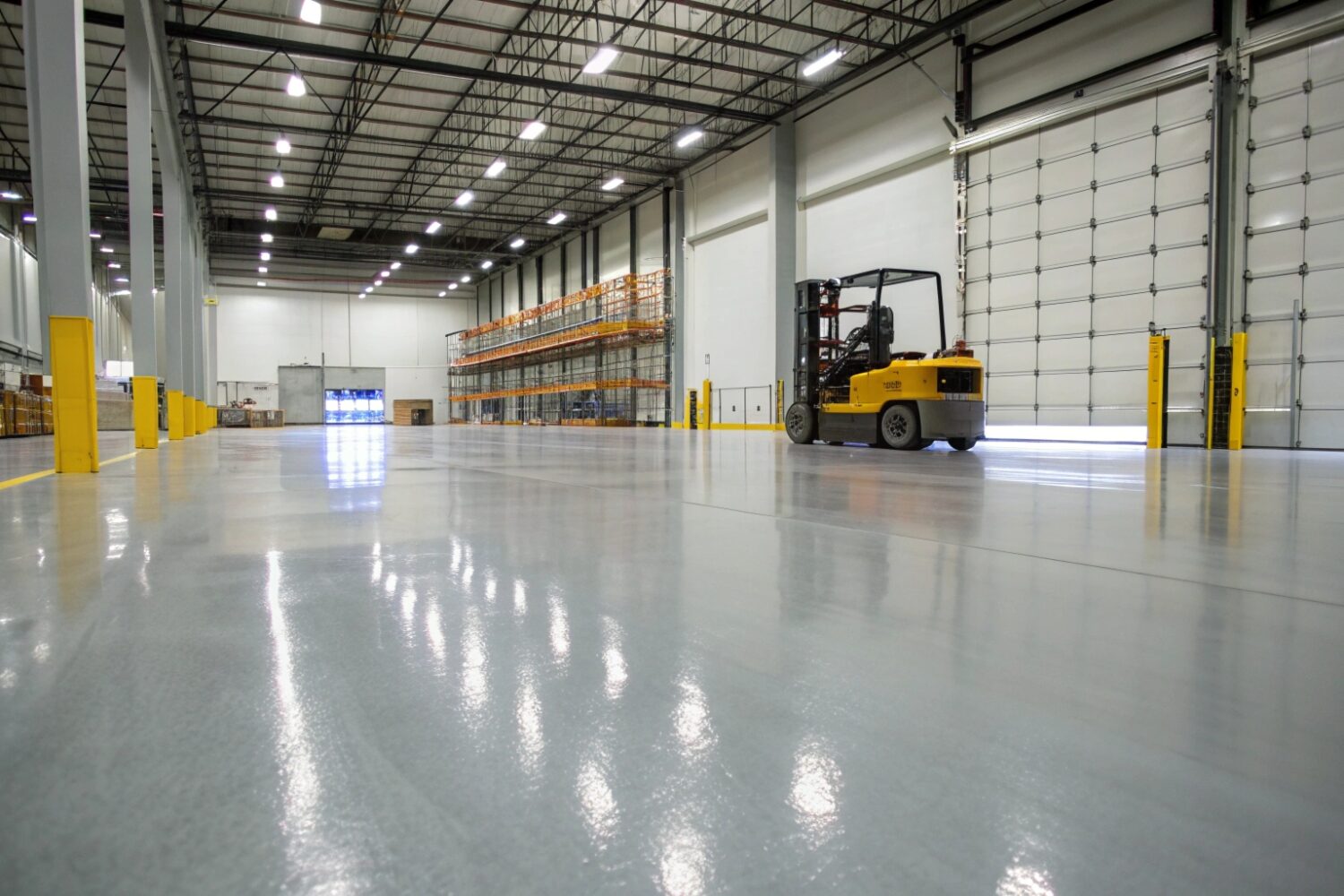
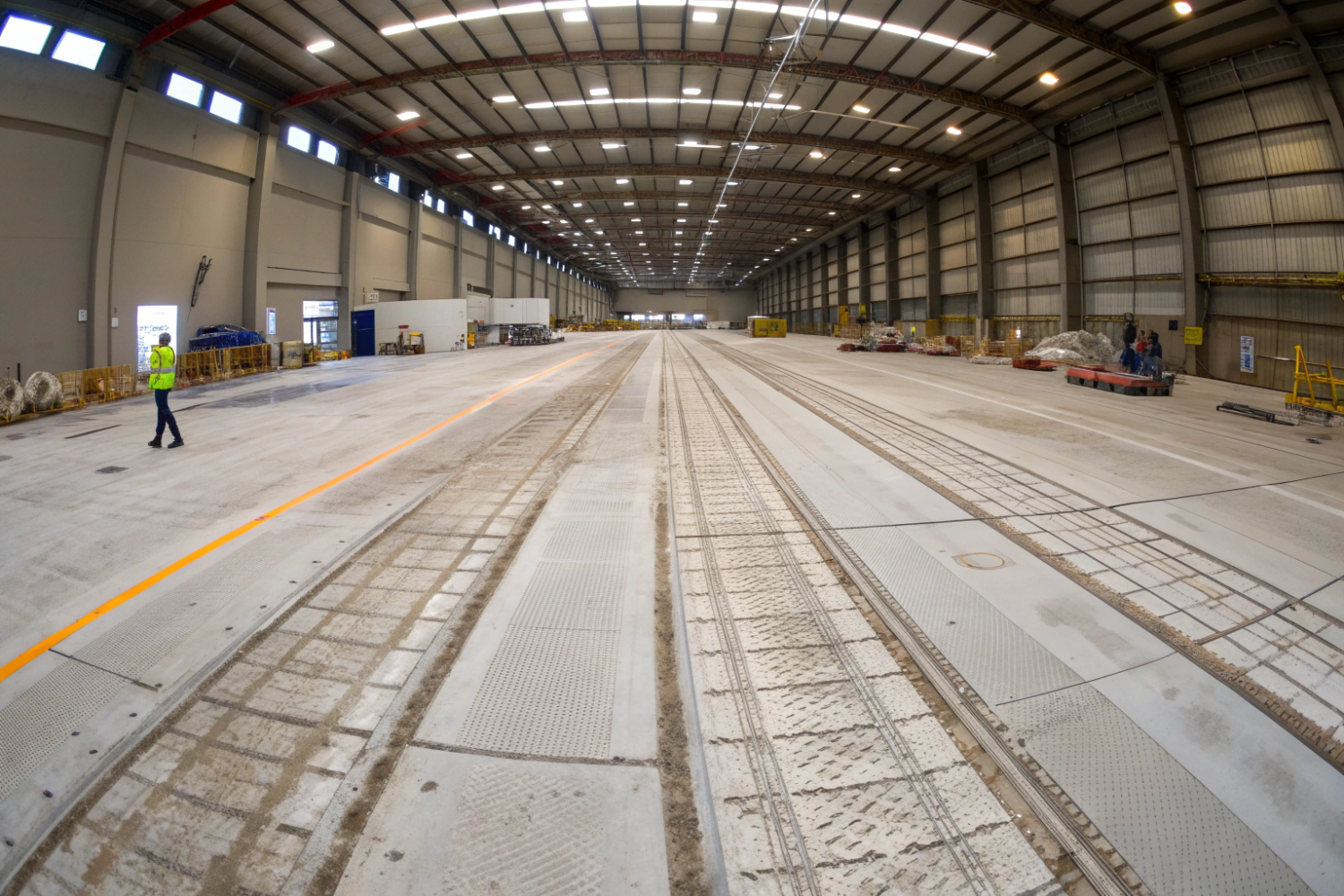
Large workshop installations exceeding 100 square metres follow systematic preparation and application protocols that differ significantly from residential garage projects. Surface preparation begins with mechanical grinding or shot blasting to remove contamination layers, existing coatings, and laitance while creating the surface profile required for mechanical bonding.
Concrete repairs address cracks, spalling, and control joint deterioration before primer application. Moisture testing using calcium chloride or relative humidity methods determines whether vapour barrier primers are necessary for substrate conditions. Multi-coat systems apply over sequential days, with primer layers followed by body coats and optional topcoat systems depending on chemical exposure requirements.
Large space installations typically require 3-5 days from surface preparation through final cure, with extended cure times before equipment reinstallation or vehicle traffic. Workshop operations cannot resume until coating systems achieve full mechanical strength, usually 7 days after final application.

Frequently Asked Questions
Eudlo workshop applications typically involve heavier equipment, chemical exposures, and larger floor areas than residential garages. Industrial-strength epoxy systems provide enhanced thickness, chemical resistance ratings, and compressive strength necessary for trade operations, machinery storage, and semi-commercial use common throughout hinterland acreage properties.
Industrial-grade epoxy systems engineered for workshop applications support vehicle lifts, hydraulic equipment, and concentrated machinery loads when properly installed over structurally sound concrete. Substrate preparation, coating thickness, and proper curing determine load-bearing capacity. Vehicle lift installations require specific engineering assessment before coating selection.
Workshop epoxy formulations resist automotive fluids, petroleum products, hydraulic oils, coolants, brake fluids, solvents, welding chemicals, and metal treatment compounds. Chemical resistance varies between coating systems—automotive workshops require different specifications than welding facilities. Proper system selection matches expected chemical exposures to coating capabilities.
Existing workshop floors require mechanical grinding or shot blasting to remove contamination, oils, existing coatings, and surface laitance. Concrete repairs address cracks and deterioration. Moisture testing determines vapor barrier requirements. Contaminated concrete from years of chemical exposure may require additional treatment before coating adhesion.
Workshop epoxy floors require regular sweeping to remove grinding dust and debris, periodic degreasing with pH-neutral cleaners, and prompt cleanup of chemical spills. Annual inspection identifies wear patterns requiring touch-up. High-traffic areas may need topcoat reapplication every 3-5 years depending on usage intensity and chemical exposure levels.
